Step-and-a-Half and Delphine’s bond
The Master Butchers Singing ClubStep-and-a-Half and Delphine’s bond is an improvised, enduring form of kinship: Step-and-a-Half saves Delphine as a newborn, entrusts her to Roy Watzka, and returns throughout the girl’s childhood to offer money and care without giving up her wandering life. Their connection grows through practical acts, missed presence, and a difficult exchange about Delphine’s dead mother. In old age, Step-and-a-Half recalls the child she helped keep alive as someone who would endure, and imagines the two women together in a future Delphine might build with her sister.
Rescue and an Unchosen Beginning
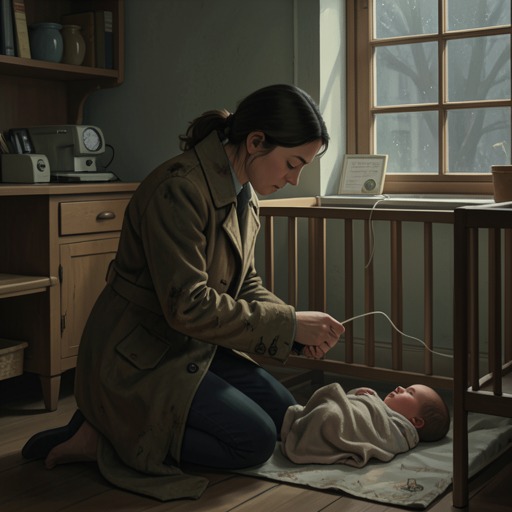
On a cold October night, Step-and-a-Half hears a newborn’s cry from the Shimeks’ outhouse after Mrs. Shimek has left it. She opens the door, finds the baby in danger, and reaches down to pull her to safety. Step-and-a-Half frees the child, clears her mouth, and warms her beneath the layers of clothing she wears. The rescue is not a planned adoption or a settled domestic choice; it is an immediate response to a life that would otherwise be lost.
Step-and-a-Half takes the baby to her temporary shelter, then brings her to Roy Watzka, a bachelor farmer who has fallen in love with Step-and-a-Half and hopes to marry her. Roy imagines a settled household and asks her to stop wandering. She does not accept that life, but she knows from the start that she will leave the baby with him. The child’s survival therefore depends on a divided arrangement: Roy will raise her, while Step-and-a-Half remains a recurring presence beyond the household.
Care Across Distance
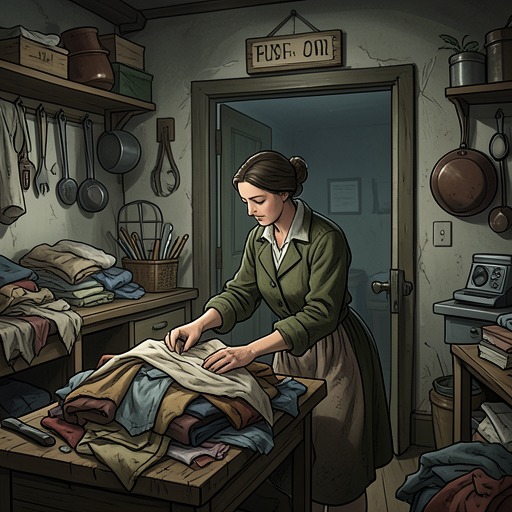
Step-and-a-Half understands that walking is the way she outdistances memories of violence and cruelty. She knows she will leave Roy with the baby, but does not foresee how often she will return, give him money to keep the child secure, and make small, clumsy efforts to tend Delphine as she grows. Her care is real, but it does not take the form of continuous parenting or a settled home.
That pattern makes absence part of their bond. Step-and-a-Half is neither simply gone nor consistently available: she comes and goes, leaving Roy responsible for Delphine while continuing to provide material help and occasional attention. The relationship resists a neat division between stranger and mother. Its attachment is made visible through repeated return and practical support, even as Step-and-a-Half remains unable to stop walking.
The Mother and the Child
One remembered encounter concentrates the tenderness and strain in their connection. Delphine, still too young to remember her infancy, toddles after Step-and-a-Half and calls her “Mama?” Step-and-a-Half stops and kneels so she can look directly at the child. Rather than claim the name, she tells Delphine, “Your mother is dead.” The blunt statement confronts the child with an absence she can scarcely understand.
Delphine’s face briefly closes, then she looks back at Step-and-a-Half with what the older woman recognizes as a survivor’s boldness. Delphine strikes Step-and-a-Half on the forehead with her small fist. Step-and-a-Half rubs the spot and answers, “Good. The tough ones live.” Delphine replies that her mother will come back, treating death as though it were a place from which return remains possible. The exchange is painful, but it also gives their bond its distinctive honesty: Step-and-a-Half does not pretend to be the dead mother, and Delphine does not surrender her own account of what may yet happen.
Memory, Survival, and Inheritance
In old age, Step-and-a-Half remembers both the rescue and that exchange as part of the same history of survival. She imagines Delphine’s mother still present in the world and imagines Delphine living on, too. She takes pleasure in picturing Delphine and her sister running a renovated plant shop together, surrounded by trees, flowers, and bedding plants. The scene is a remembered woman’s hope, not an account of a future already achieved; its importance lies in the life and companionship Step-and-a-Half can still envision for Delphine.
The relationship’s force lies in care without possession. Step-and-a-Half saves the infant, leaves her with Roy, returns to support her, and refuses to turn her own history into a conventional domestic settlement. Delphine’s later work and relationships belong to a life shaped by more than one kind of care, while Step-and-a-Half’s recollections preserve her as a figure of both absence and return. The small remnant of Ghost shirt that Step-and-a-Half keeps, and her conviction that the dead are close to the living, place this bond within a wider sense of survival across generations: the past persists, but it does not prevent the living from continuing.